
 Latest Rooms
Journal
Notes on living with less
Rooms, materials and light, one decision at a time. It starts with subtraction.
Latest Rooms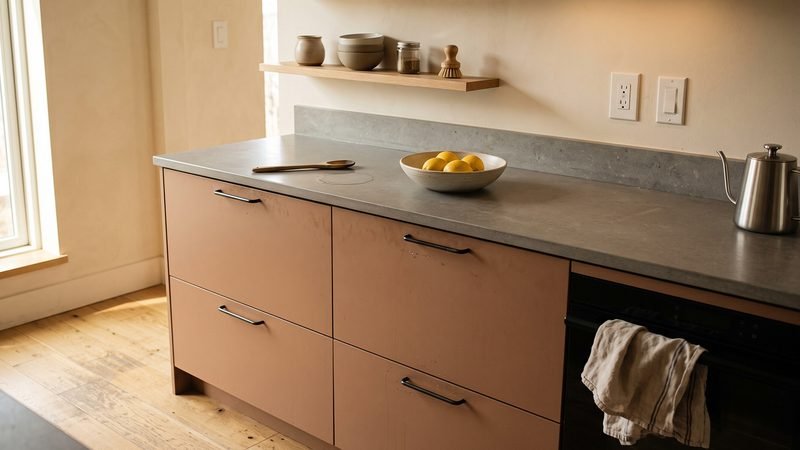 Rooms
The Japandi Kitchen: The Room Everyone Skips
The kitchen is where Japandi has most to offer and where it is always skipped. Counters, handles, the open shelving trap, and where the style should give way.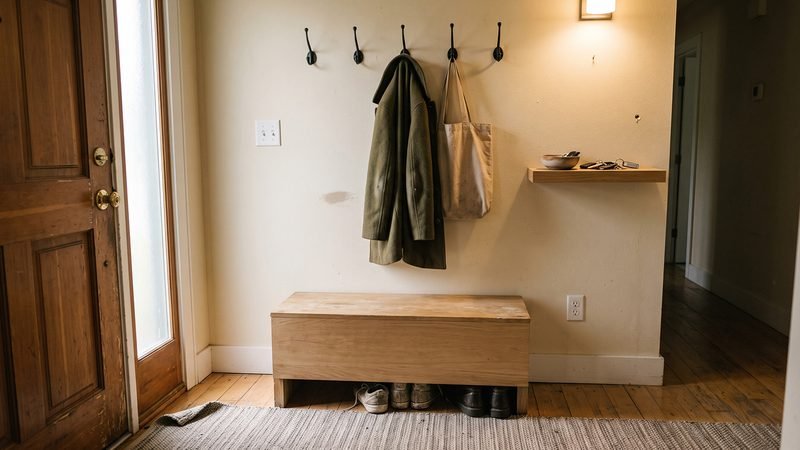 Rooms
The Japandi Entryway: Designing the Threshold
The entryway is decorated last and seen by everyone. Five decisions that fix it, the genkan idea behind shoes-off, and the reset habit that keeps it working. Materials
Non-Toxic Japandi: Which Certifications Actually Mean Something
CARB Phase 2 compliance has been federal law since 2019, so advertising it means nothing. What TSCA Title VI limits, what GREENGUARD Gold caps, and the practical hierarchy.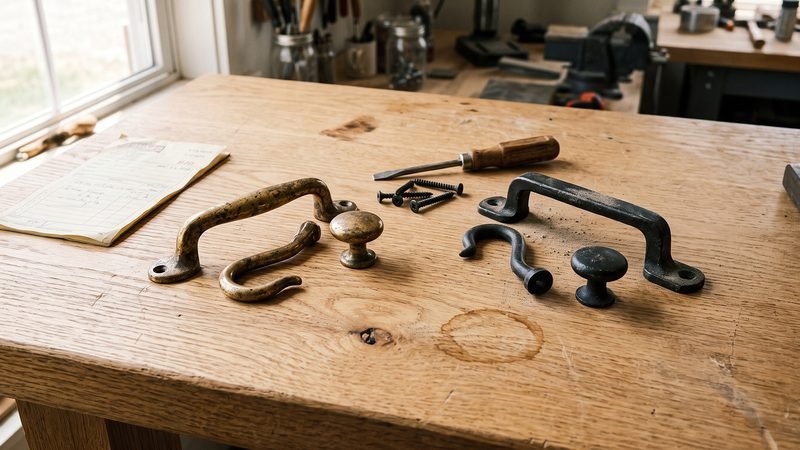 Materials
Aged Brass or Blackened Steel: Choosing Your One Metal
Metal is the fourth material in a Japandi room and the one people choose by accident. Aged brass or blackened steel, why chrome fails, and how to fix a mixed room cheaply.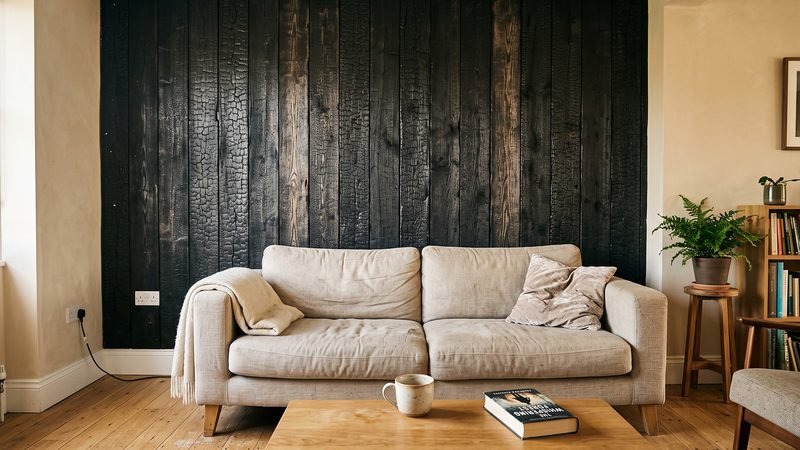 Materials
Charred Timber: The Grounding Dark That Paint Cannot Fake
Charred timber gives a Japandi room the dark anchor that black paint cannot fake. What yakisugi actually does indoors, the three finish levels, and honest alternatives.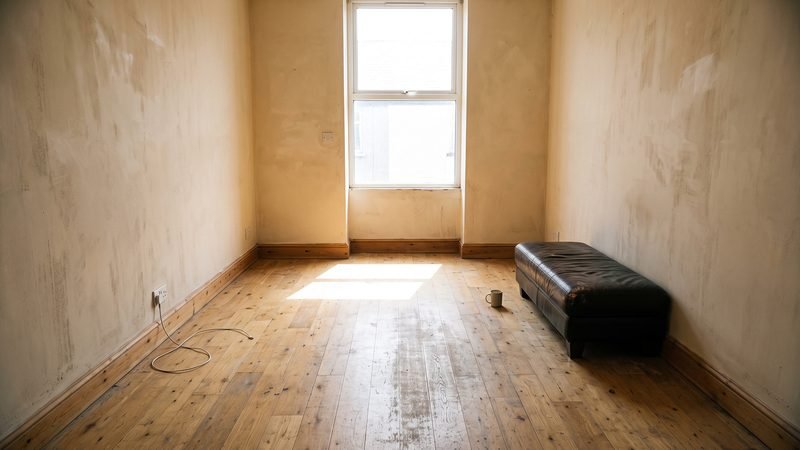 Materials
Why Your Minimal Room Echoes (And How to Fix It With Things You Already Wanted)
Minimalism has an acoustic cost nobody mentions. Why your Japandi room echoes, what slat panels actually do, and the clap test that tells you what to fix first.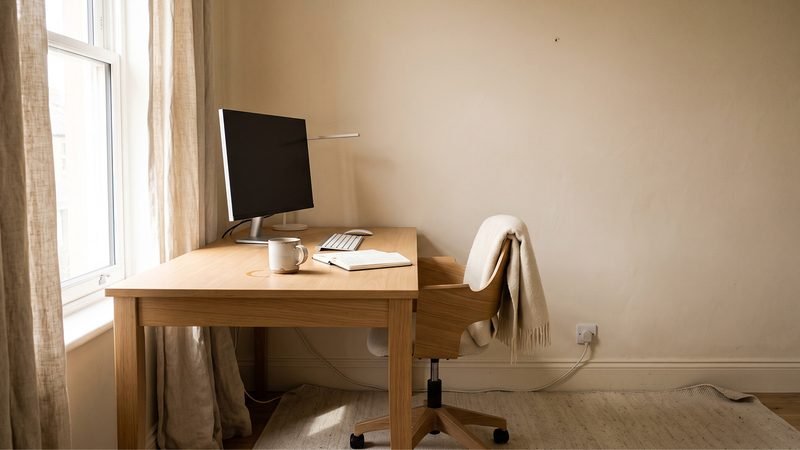 Rooms
The Japandi Home Office: The Room That Fights the Style
The home office is used in daylight, which puts it against everything this style asks for. Desk position, screens, cables, acoustics and the video call wall.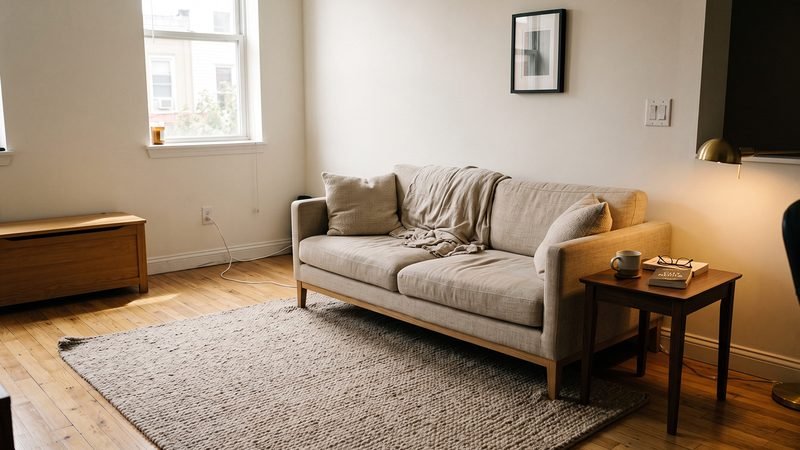 Rooms
Japandi Under 600 Square Feet: Which Rules Invert
Japandi is photographed in large rooms. Under 600 square feet two of its rules reverse. What holds, what changes, what to sacrifice, and the order to do it in.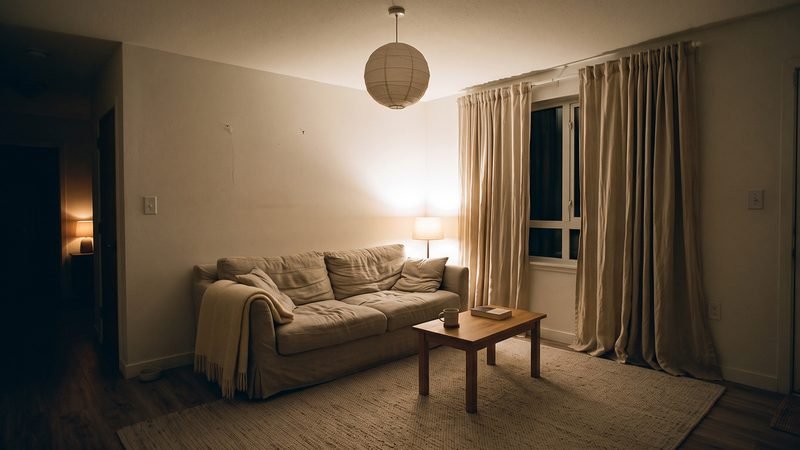 Rooms
Japandi in a Rental: What You Can Do Without Touching the Walls
Most Japandi advice assumes you own the walls. The four elements that carry eighty percent of the effect are all removable. What to do, and what to accept.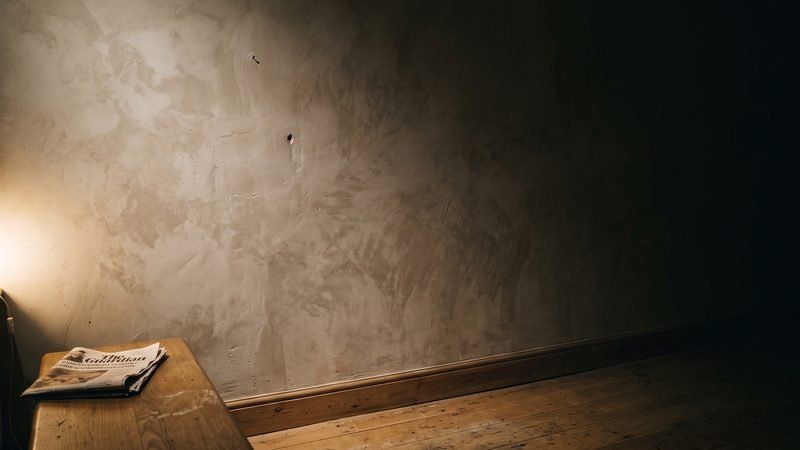 Colour and Light
In Praise of Shadows: Why Japandi Needs Darkness
Western interiors treat shadow as a fault. Japanese aesthetics treat it as the medium materials become visible in. Why even lighting flattens everything you bought.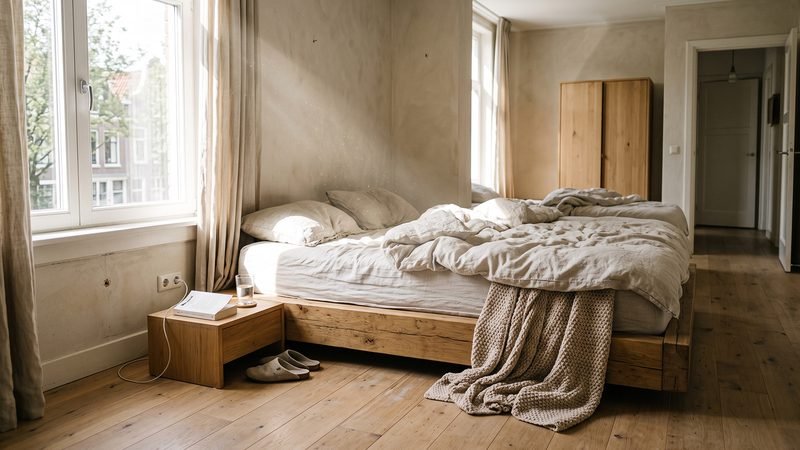 Colour and Light
Light Your Japandi Room by Time of Day, Not by Room
Warm 2700K bulbs everywhere is half right. Why colour temperature should follow time of day, what melanopic EDI means, and how to light a Japandi bedroom. Dark Japandi
Going Dark Without Starting Over: Converting a Light Japandi Room
You do not need to start over. Most of a light Japandi room converts untouched. What stays, what has to change, the order to do it in, and the half-way trap.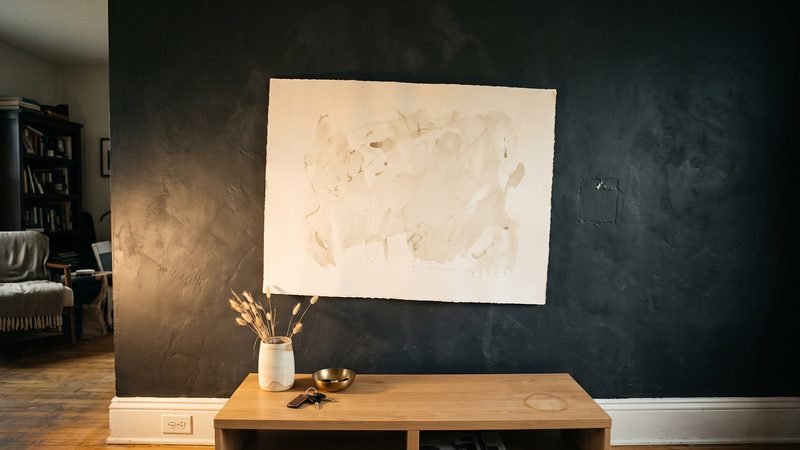 Dark Japandi
Hanging Art on a Dark Wall: Everything Inverts
On a dark wall every framing rule inverts. Scale, frames, mounts, hanging height and lighting for art on charcoal, plus the detail nobody mentions about drilling.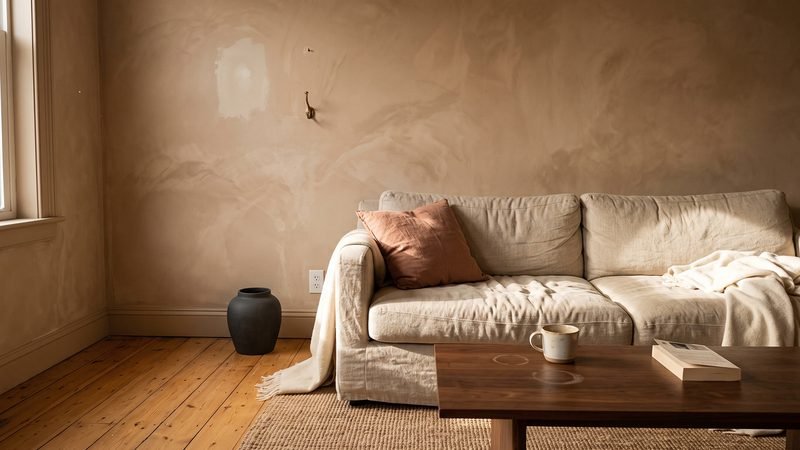 Colour and Light
The Palette Shift: Why 2022 Japandi Looks Dated Now
Cool greige is doing to Japandi what beige did to Tuscan kitchens. What changed in the palette, three cheap moves that fix it, and what you should keep.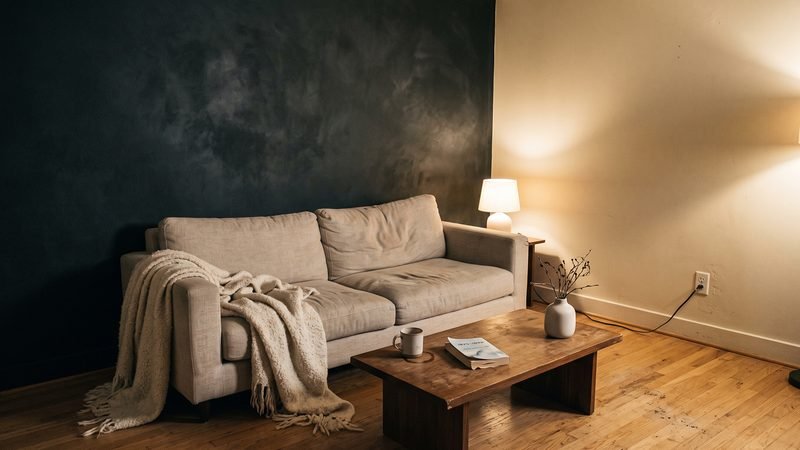 Dark Japandi
: How to Go Moody Without Going Cave
Dark Japandi fails when a room is uniformly dark, not when it is dark. The 70/30 rule, why sheen matters more than colour, and which rooms should stay light.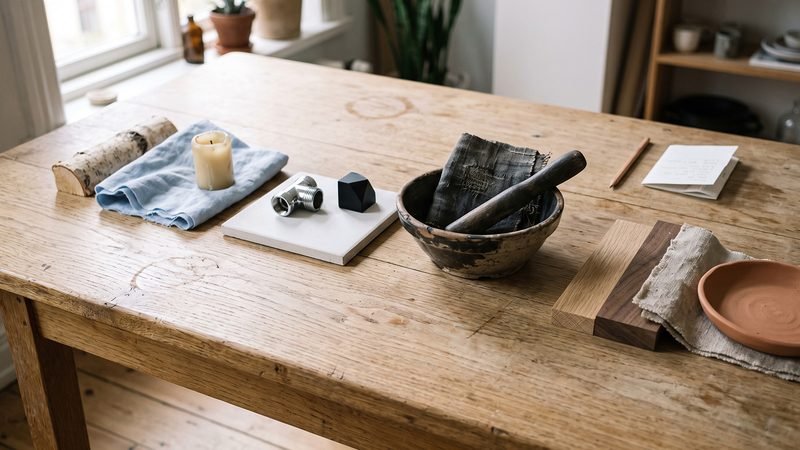 Principles
Japandi vs Scandinavian vs Minimalism vs Wabi-Sabi
Four terms, four different categories. Scandinavian, minimalism, wabi-sabi and Japandi compared directly, plus a diagnostic for which one you already are.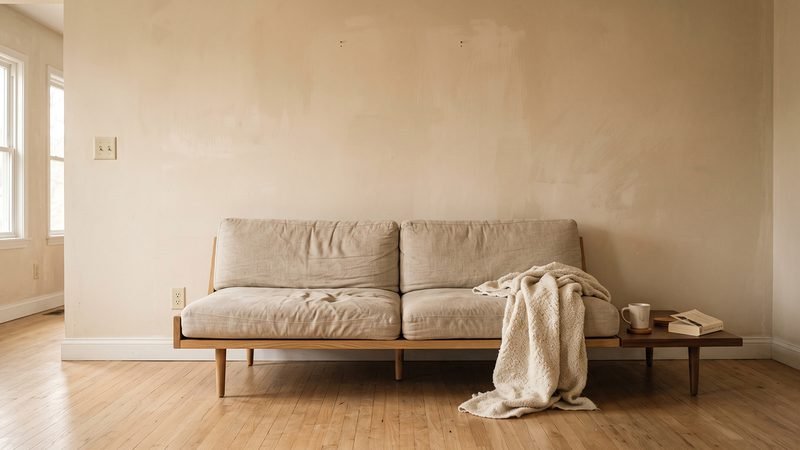 Rooms
The Furniture Scale Mistake: Grounding Your Eyeline
Your Japandi room feels cramped because American furniture is built too tall. The exact seat, back, table and art heights that make the style work, in inches. Materials
How to Mix Wood Tones Without Creating Visual Chaos
Matching every wood makes a room look like a catalogue. The rules for mixing wood tones in a Japandi space: undertone, the rule of three, grain scale and separation. Principles